Every so typically, someone rings me late on a Thursday with the very same nervous inquiry:
"I just understood I need my first aid certificate by Monday. Is there any kind of means to make that occur without shedding my entire weekend?"
The brief solution is yes, provided you select the best style of first aid training and share clear expectations. Weekend express first aid courses are created specifically for this scenario: compressed, focused training that gets you competent and licensed fast, without reducing the security corners that really matter.
Having run and educated first aid and CPR courses for years, I have a straightforward test for a "fast" course: you ought to conserve time on logistics, Additional reading rep, and admin, not on method, accuracy, or crucial content. When done well, express first aid training can be both reliable and solid.
This overview goes through just how weekend express first aid and CPR training truly functions, what you should anticipate, and just how to choose the ideal fast first aid course so you walk into deal with Monday with a legitimate certificate and authentic self-confidence, not simply a piece of paper.
What "Weekend break Express" In Fact Means
Different carriers use various labels: fast first aid, express first aid, increased, compressed, blended. Under the marketing language, you will normally see a combination of three tactics:
Pre course on the internet learning during the week. A solitary, extensive sensible day on Saturday or Sunday. On the‑spot evaluation and same‑day issuance of your first aid certificate.For instance, an express first aid course might market "6 hours on-line, 4 hours in person." In method, that can appear like:
- Online components finished Thursday and Friday evenings. In individual first aid and CPR training course on Saturday. Digital certificate emailed late Saturday or first point Monday.
The bottom line: a fast first aid course does not indicate avoiding material. Country wide identified first aid courses are usually bound by a training plan or regulative framework that defines what should be covered and evaluated. The express component has to do with changing lecture material right into self‑paced online research study and tightening up the practical day.
A well‑designed weekend break course still covers:
- Primary survey and scene security CPR training on grown-up manikins (and typically child and baby) Use of an AED Management of blood loss, shock, burns, fractures, and common medical emergency situations
If a provider asserts to cut in half the time by "simplifying" material, deal with that as a red flag.
Is Fast First Aid Training Right For You?
Express first aid training is not suitable for everybody. It works wonderfully in a couple of scenarios and badly in others. Prior to you register for the first "fast first aid course near me" that appears in your search engine result, consider your context.
When an express course functions well
The format suits people that can focus intensely for a couple of hours and fit with online learning. As an example:
- A childcare teacher whose collaborating with youngsters card renewal relies on updated express child care first aid training, with a stringent deadline from their employer. A physical fitness teacher needing first aid and CPR refresher training over the weekend break since their insurance audit gets on Tuesday. A building supervisor balancing long shifts who can not spare 2 different weekdays for traditional first aid courses.
In these situations, the learner normally has some familiarity with the web content already and needs a fast certification path that fits around life.
When a much longer course might be better
On the other hand, local first aid training classes an extremely compressed express first aid course can be a bad suitable for:
- People that are anxious in class situations and require even more time to ask concerns and procedure information. Someone all new to any type of medical or emergency situation context that wants area to take in the product slowly. Participants whose English proficiency is limited, making fast on the internet pre‑study components frustrating.
These students usually do much better in a common one‑day or even two‑day first aid course where there is more repeating, more informal conversation, and even more practice rounds.
There is no embarassment in choosing the longer course. The right inquiry is not "How quickly can I get licensed?" however "Which style will leave me certain enough to act in an emergency situation?"
What You Can Genuinely Accomplish In One Weekend
From the fitness instructor's side of the space, a weekend express first aid and CPR course seems like a sprint. To profit that sprint, you need to understand which goals are realistic.
You can sensibly expect to:
- Understand the DRSABCD or equal activity strategy without requiring a rip off sheet. Perform reliable upper body compressions at the proper price and deepness during CPR courses that make use of high quality manikins. Operate an AED without hesitation. Control serious external bleeding and recognise shock. Have a fundamental prepare for bronchial asthma, anaphylaxis, seizures, cardiovascular disease, and stroke.
You ought to not anticipate to:
- Memorise every medical condition in detail. Feel brightened in every scenario quickly, especially if it is your first first aid course. Replace regular experiment a one‑off weekend break. Abilities like CPR degeneration within months without refreshers.
The objective of a fast first aid course is skills, not excellence. In every actual event I have debriefed, one of the most crucial factor was not remarkable textbook strategy, yet the readiness to act promptly, call for assistance, and use the basics effectively.
Anatomy of a Weekend break Express Course
Different training carriers structure their express first aid courses a little in a different way, but the pattern generally comes under a couple of predictable stages.
Before the weekend: on the internet pre‑learning
Many express first aid courses depend on e‑learning to cover concept. Anticipate videos, analyses, and short tests. A typical component set will certainly include:
- Legal responsibilities, consent, and task of treatment. Basic anatomy and how CPR works. Recognition of usual clinical problems. A summary of first aid kits and work environment obligations.
If you want the weekend break itself to be manageable, take this part seriously. Treat it like a visit. Block out two or 3 hours on Thursday evening, then another two on Friday, and complete it steadly instead of packing it at twelve o'clock at night prior to class.
People browse on-line web content and afterwards whine that the sensible feels "as well fast." In my experience, that is normally because they are trying to find out fundamentals in actual time while everybody else is settling what they currently saw online.
Saturday or Sunday: the practical day
On the day of your express first aid training, a lot of classes follow a harsh arc.

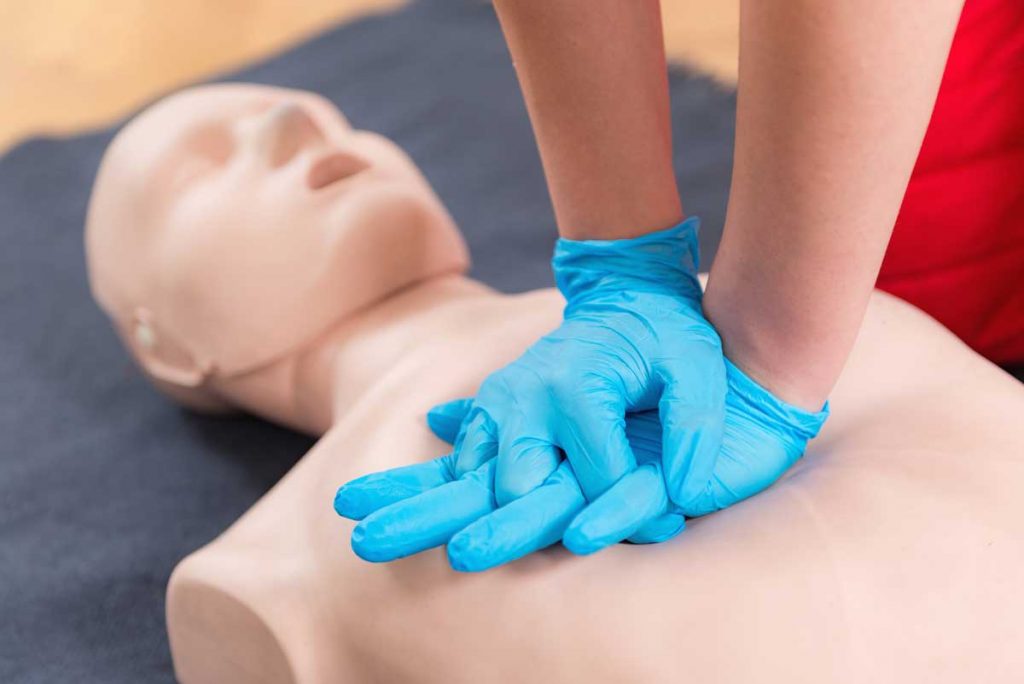
First, there is an orientation and fast testimonial of bottom lines from the on-line components. A great instructor will use real stories instead of re‑reading slides: "Below is why we insist you in fact roll someone into the recuperation placement."
Then you will move into useful abilities, typically in other words, focused blocks. As an example:
- CPR and AED method Recovery placement and airway management Management of blood loss, shock, and wounds Fractures, sprains, and immobilisation Specific topics pertinent to the group, such as bronchial asthma and anaphylaxis for childcare first aid, or crush injuries and electrical injuries for construction.
Assessment for fast first aid and CPR courses is usually woven into these blocks rather than done in a different test. Fitness instructors are educated to enjoy you carry out jobs and silently check off required criteria.
Finally, there is normally a circumstance section. You and a companion or little team respond to simulated emergencies while the fitness instructor observes. These are typically where one of the most learning happens. Individuals forget to send for assistance, or they begin CPR yet never ever actually apply the AED, or they concentrate entirely on the significant blood loss and miss the airway issue.
It is much better to make those errors on a training manikin on Saturday than in an actual parking lot twenty mins from an ambulance on Tuesday.
After the day: certifications and admin
For express first aid and express CPR courses, many providers currently release electronic certifications. Often you will certainly get your first aid certificate via e-mail the exact same day, or within one service day. Some organisations batch‑process evaluations, so if you complete on Sunday, anticipate the official certificate by Monday.
Make sure you maintain a copy on your own, not just your employer. Trusted companies maintain records for a number of years, however individuals alter companies, training organisations merge or close, and it is easier if you have your own archive.
Choosing Between Different Express Options
Not all fast first aid courses are equal. A one‑hour fast CPR correspondence course for knowledgeable nurses is a various animal from a complete express child care first aid course that covers asthma, anaphylaxis, and child‑specific scenarios.
When you contrast alternatives, there are three primary axes: web content, period, and delivery.
Content: what exactly is covered?
Check the accredited course code or formal description, not just the advertising heading. Usual choices consist of:
- General first aid courses that integrate first aid and CPR training for grownups and sometimes children. Stand alone express CPR courses that concentrate exclusively on resuscitation and AED use. Express child care first aid courses tailored to child care and education setups, including kid and baby CPR, choking, bronchial asthma, and anaphylaxis protocols.
Clarify with your company or sector body what you really require. I have actually seen a lot of people reserve a common fast first aid course, only to uncover later on that child care laws in their area call for a certain childcare first aid unit.
Duration and format
Some companies promote "3‑hour express first aid" yet conceal a requirement for 8 hours of on-line pre‑learning. Others run a "fast first aid training" day that is still seven hours in the class but improves assessment.
Read the fine print. Overall finding out time for a trustworthy first aid and CPR course rarely goes down listed below 8 to 10 hours. If the numbers are hugely lower, the content is either exceptionally slim (for example, CPR only) or improperly compressed.
Blended distribution, with online theory and a much shorter in‑person block, is normally the best concession for people needing a weekend express course. It lets you complete the reading and quizzes at your very own speed, after that use the in‑person time primarily for hands‑on skills.
Delivery quality
This is where lots of "fast" offerings fall short. A schedule can look effective without sensation efficient in the room. Indications of a great express first aid training carrier consist of:
- Small to modest course dimensions, so you are not waiting 20 mins to touch a manikin. Adequate tools: ideally one CPR manikin in between 2 individuals, not one in between six. Trainers with real clinical or emergency backgrounds, not simply a script. Clear, straightforward information about how long certifications take to issue.
If you speak to a provider and they sound quick-tempered with concerns, go on. Good organisations recognize that people are under time pressure and will help you recognize whether their express first aid courses actually fit your deadline.
Special Case: Express Childcare First Aid
Childcare and education and learning settings present additional complexity. Choking looks various in a toddler than in an adult. Asthma and anaphylaxis are much more typical. Moms and dads want to know that personnel can take care of paediatric emergencies confidently.
Express child care first aid courses aim to cover this added ground without requiring a two‑day shutdown of a centre. The pattern appears like basic express first aid but with:
- Greater focus on baby and child CPR techniques. Practice with paediatric manikins. Detailed protocols for bronchial asthma inhalers, spacers, and anaphylaxis action plans. Emphasis on documentation and communication with moms and dads and regulators.
When I train very early childhood groups, the biggest change is way of thinking. Lots of teachers are normally gentle and hesitant to do anything that could cause discomfort, such as company back strikes throughout choking. An excellent express child care first aid training day provides both the technological skills and the psychological consent to act decisively when seconds matter.
For childcare team, I strongly advise treating fast first aid courses as the beginning of a routine, not a one‑off obligation. Run short refreshers at team meetings. Practise reading EpiPen guidelines together. Role‑play calling parents. The express course provides you the structure, but repeating on website offers you fluency.
How To Prepare So Your Weekend Break Feels Manageable
If you wish to walk out of a weekend express first aid and CPR course feeling capable instead of overwhelmed, preparation issues greater than raw intelligence.
Here is a straightforward, practical way to prepare in the days before your course:
Block the time. Treat online theory and the face‑to‑face class as reserved consultations, not "something I will squeeze in." Shield them from disturbances the way you would secure a medical appointment. Skim the course synopsis. The majority of suppliers checklist topics. Understanding the rough map makes brand-new content easier to hold on existing knowledge. Watch one trusted CPR video from a recognised organisation. Seeing the flow as soon as prior to course makes the first sensible round far easier. Sleep correctly the evening prior to. Tiredness is the fastest way to transform a four‑hour express CPR training session into a blur. Bring questions. Think about scenarios that really feel genuine in your life: your youngsters' sports, your elderly moms and dads, your certain office. Ask about those.As a trainer, I can tell instantaneously who has actually made the effort to show up ready. They relax much faster, they discover more, and their questions are richer.
What "Fast" Needs To Never Ever Mean
There are faster ways that work and faster ways that place individuals in danger. When fast first aid training cuts the ideal corners, you get less downtime, less tangents, and tighter logistics. When it reduces the wrong edges, you obtain rubber‑stamped certifications and unsteady competence.
If you run into any one of the complying with, treat them as alerting indications:
- No actual technique of CPR at the proper deepness and rhythm, just a few token compressions. No AED technique whatsoever, just a quick verbal explanation. Assessment that seems like a rule, with no private comments or correction. Group dimensions so big that you hardly get a turn with the equipment. An instructor that hurries inquiries or rejects situations as "also unlikely to worry about."
On the flip side, do not be questionable simply because a course really feels well structured and moves quickly. People in some cases puzzle table talk and lengthy talks with "detailed" training. In reality, a clear, regimented express CPR refresher course can often educate much more in two hours than a drifting, unfocused session instructs in four.

Keeping Abilities Fresh After a Fast Course
Human memory is dripping. First aid and CPR skills degrade even much faster than many kinds of expertise since they depend on muscle memory and confidence, not just facts.
If your weekend training is the very first time you have done CPR in years, approve that you will need to review it. The typical recommendations in several regions is to freshen CPR every twelve month and full first aid every 3 years. In high‑risk duties, numerous work environments pick much shorter cycles.
For individuals who took an express first aid course, I often recommend a straightforward upkeep strategy:
- At least when every 3 months, view a 5‑minute CPR testimonial video and psychologically go through the steps. Once or two times a year, do a brief fast CPR courses style refresher, also if casual, with a manikin if you have workplace access. Keep a published DRSABCD or comparable activity strategy visible near first aid packages. Eying it consistently reinforces the sequence. If your supplier offers express CPR correspondence course options, treat them as component of your expert routine, not a hassle.
The catastrophe in many real events is not that somebody never did a first aid course, yet that they did one 7 years back and never touched the topic again.
How To Utilize Your New Certificate On Monday
By Monday early morning, your first aid certificate ought to remain in your inbox. That solves the immediate compliance trouble. To maximize your weekend break effort, do 3 more points when you are back at the office:
First, tell someone where your abilities currently sit. If you belong to a workplace emergency situation response group, ensure your name is on the lineup. If you operate in child care, confirm that your express childcare first aid course fulfills your centre's obligations and is logged in their records.
Second, acquaint on your own with local equipment. A fast first aid course uses common manikins and training AEDs. On website, your defibrillator might be a various brand name. Your oxygen set, first aid area, or bronchial asthma spacers might be saved in non‑obvious locations. Walk the area with fresh eyes.
Third, debrief with coworkers. Share something that stunned you about the training. Urge others to join you at the next express first aid or express CPR course if Click to find out more their certifications schedule. An individual very first aider is helpful, however a team with shared language and technique is powerful.
Final Thoughts: Rate With Substance
Weekend express first aid training is not a trick. When it is done appropriately, it appreciates two facts at the same time: individuals are active, and emergency situations can not await leisurely training schedules.
The art remains in locating a balance. An excellent express first aid course presses timing, not requirements. It requires emphasis, yet it pays that back in versatility. You give up a slice of your weekend so that, on some unanticipated Monday in the future, you do not need to stand by helplessly while a person you care about struggles to breathe.
If you approach fast first aid courses with clear eyes, prepare appropriately, and pick a supplier who treats skill as seriously as rate, you can absolutely obtain licensed by Monday and actually are entitled to that certificate. And when the moment comes, that mix of paper and technique might be the silent difference between panic and deliberate action.